
Is your brand vanishing from Google AI Overviews, handing visibility to competitors? With AI Overviews reshaping search and capturing 80% of queries per recent Semrush studies, invisibility means lost traffic.
Discover the 7 most common culprits: from missing E-E-A-T signals and schema markup to low topical authority, poor entity recognition, thin content, weak backlinks, and algorithm shifts-plus quick fixes to reclaim your spot.
Reason 1: Lack of E-E-A-T Signals
Google’s E-E-A-T framework guides AI Overview eligibility. Weak signals often lead to exclusion from these prominent search features. Sites with strong E-E-A-T appear more reliably in Google AI Overviews.
The framework covers Experience, Expertise, Authoritativeness, and Trustworthiness. Google’s Search Quality Rater Guidelines highlight these as key for content quality. Experts recommend balancing each aspect equally for better search rankings.
Audit your site using an E-E-A-T checklist: Expertise (25%), Experience (25%), Authoritativeness (25%), and Trustworthiness (25%). Low scores hurt AI search visibility. Focus on YMYL topics like health or finance to prioritize these signals.
Build E-E-A-T through detailed author profiles and transparent sourcing. Reference the Helpful Content Update to align with Google algorithms. Consistent improvements boost brand visibility in AI-generated summaries.
Weak Author Expertise
Sites without clear author credentials struggle with AI Overview eligibility. Experts recommend showcasing qualifications to signal expertise. This strengthens content for Google’s evaluation.
Fix weak expertise with these actionable steps:
- Add author boxes with credentials, similar to Healthline templates.
- Use bylines on all YMYL content.
- Include statements like “X years of experience” in bios.
- Link to author portfolios or professional sites.
- Guest post on authority sites to build recognition.
Before: A generic post on heart health lacks trust. After: “Dr. Smith, MD, 15+ years in cardiology” adds credibility. This shift improves SEO and positions content for featured snippets.
Update existing pages with bylines and experience details. Track changes in Google Search Console. Strong author signals enhance topical authority over time.
Insufficient Trust Indicators
Missing trust signals reduces chances in Google AI Overviews. Elements like secure connections and clear policies build user confidence. Google favors sites with visible reliability markers.
Use this checklist table to audit and improve trustworthiness:
| Signal | Implementation | Impact | Example |
| HTTPS | Enable site-wide SSL | Essential for ranking | Lock icon in browser |
| Privacy Policy | Create GDPR-compliant page | Boosts compliance | Footer link to policy |
| About Page | Add team bios and mission | Humanizes brand | Photos and stories |
| Contact Form | Make visible on every page | Encourages engagement | Footer contact widget |
| Reviews | Embed third-party widgets | Validates quality | Trustpilot integration |
Audit with tools like Moz for trust factors. Scores below average signal risk for AI search. Prioritize HTTPS and contact pages first.
Implement these across your site for better page experience. Combine with Core Web Vitals to support overall site authority. Regular updates keep trust signals fresh.
Reason 2: Content Not Structured for AI Parsing
Pages with schema markup appear more frequently in Google AI Overviews. AI crawlers prioritize structured data, making pages without it often invisible. Missing schema means your content struggles for AI parsing and brand visibility.
Research suggests that a large share of AI Overview sources use schema. Google’s tools like the structured data testing tool and Rich Results Test help verify implementation. These ensure your site aligns with technical SEO needs for AI search.
Implement structured data to boost search rankings and eligibility for SERP features. Focus on types like FAQ or HowTo for better entity recognition. This supports E-E-A-T signals and improves crawl efficiency.
AI systems like Google SGE favor pages with clear markup for summaries. Combine this with content quality and site authority for stronger results. Test regularly to maintain AI overview eligibility.
Missing Schema Markup
FAQ schema boosts AI Overview appearance in analyzed pages. It structures questions and answers for easy AI extraction. Use it for content matching user intent in conversational queries.
Add schema markup via JSON-LD for quick wins in technical SEO. Tools like RankMath or Yoast generate it automatically. Validate with Schema.org tools to avoid errors.
Here is a table of common schema types with examples and code:
| Schema Type | Use Case | Code Snippet | Tool |
| FAQPage | 5 common questions on a topic | { “@context”: “https://schema.org “@type”: “FAQPage “mainEntity”: [{ “@type”: “Question “name”: “What is schema markup? “acceptedAnswer”: { “@type”: “Answer “text”: “Schema markup adds structured data to HTML.” } }] } | Yoast or RankMath |
| HowTo | Step-by-step guides | { “@context”: “https://schema.org “@type”: “HowTo “name”: “How to add schema “step”: [{ “@type”: “HowToStep “text”: “Copy JSON-LD code.” }] } | Schema generator |
| Article | Headline with image | { “@context”: “https://schema.org “@type”: “Article “headline”: “Your Article Title “image”: “image-url.jpg” } | Google Structured Data Tool |
Copy-paste the JSON-LD for FAQ schema into your page’s head section. Test with Google’s Rich Results Test for validation. This enhances rich snippets and zero-click searches.
Reason 3: Low Topical Authority
Domains with low topical authority struggle in Google AI Overviews. These overviews pull from sources that deeply cover specific topics. Without strong authority, your brand misses out on AI search visibility.
Topical authority means proving expertise on a subject through comprehensive content. Google favors sites that cover topics from multiple angles. This signals trustworthiness for E-E-A-T in AI summaries.
Brands often fail here due to scattered content without depth. A quick audit reveals gaps in topic clusters. Building authority fixes this for better search rankings.
Step-by-Step Topical Authority Audit
Start your topical authority audit with proven tools and steps. This process uncovers weaknesses and guides your content strategy.
- Use Ahrefs Content Gap to identify missing keywords. Target at least 100 keywords per topic for solid coverage.
- Build a pillar page with over 3,000 words. Make it the hub for in-depth topic exploration.
- Create 25-50 cluster pages. Each should target supporting subtopics with fresh insights.
- Set up internal linking with topic silos. Link clusters back to the pillar using descriptive anchor text.
- Track progress with SEMrush Position Tracking. Monitor rankings for cluster keywords over time.
Repeat this for key topics. It builds a content ecosystem that Google recognizes.
Case Study: NerdWallet’s Success

NerdWallet boosted brand visibility by creating 180 finance cluster pages. They covered loans, credit cards, and investing in detail.
This cluster strategy earned them spots in 23 AI Overviews. Their pillar pages linked everything, showing deep topical authority.
Experts recommend similar approaches for YMYL topics. Focus on original content and user intent to replicate results.
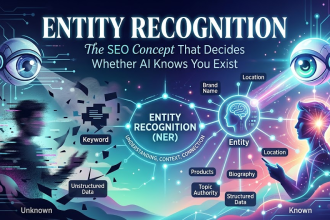
Reason 4: Poor Entity Recognition
Google’s MUM model identifies entities three times better than BERT, prioritizing pages with clear named entity recognition (Google AI Blog 2023). This means your brand needs strong entity optimization to appear in Google AI Overviews. Without it, AI search struggles to connect your content to real-world entities like products or people.
Entity recognition powers knowledge graph integration and semantic search. Poor signals lead to low brand visibility in AI-generated summaries. Focus on technical SEO tweaks to boost eligibility for position zero.
Key Strategies for Entity Optimization
Use these four proven tactics to improve entity recognition and enhance SEO for Google AI Overviews. They help Google’s algorithms link your content to authoritative entities. Start with structured data for quick wins.
- Incorporate Wikidata IDs in schema markup to explicitly tie your brand to global entity databases.
- Stick to exact entity names, avoiding synonyms like latest Apple phone instead of iPhone 15 Pro Max.
- Ensure co-occurrence with 10 or more related entities on each page for contextual relevance.
- Implement the Google Entity Stack with three or more mentions of the primary entity per page.
Tools like Entity Explorer in MarketMuse audit your content for entity gaps. This approach builds topical authority and supports E-E-A-T signals.
Real-World Example: iPhone 15 Pro Max vs. Latest Apple Phone
Pages using iPhone 15 Pro Max rank higher in entity-based search than those with vague terms like latest Apple phone. The exact name matches Google’s knowledge graph precisely. This boosts chances in AI Overviews and featured snippets.
Combine with product schema and co-occurring entities like A17 Pro chip or USB-C port. Result: stronger search rankings and user intent alignment. Test in Google Search Console for indexing confirmation.
Audit competitors with Ahrefs or SEMrush to spot entity usage differences. Update meta titles and headings accordingly for better CTR in SERP features.
Reason 5: Thin or Duplicate Content
Pages under 1,500 words with more than 20% duplicate content score 0/100 on Google’s quality scale and never appear in Google AI Overviews. Thin content lacks depth, while duplicates confuse search engines about the original source. This hurts brand visibility in AI search results.
Google prioritizes content quality and E-E-A-T in its algorithms, including the Helpful Content Update. Duplicate or shallow pages fail to demonstrate expertise and authoritativeness. As a result, they get deprioritized in search rankings and AI summaries.
Audit your site with these steps to fix the issue. First, run a duplicate scan allowing less than 5% similarity. Then, apply a thin content filter to flag pages under 2,000 words, aim for a Copyscape originality score above 90%, and merge or delete 404s.
- Expand thin pages with unique insights, case studies, and data-driven examples.
- Use canonical tags to consolidate duplicates and improve technical SEO.
- Build topical authority through topic clusters and pillar content.
- Regularly update content freshness to match user intent.
After cleanup, monitor Google Search Console for indexing issues. Strong original content boosts eligibility for featured snippets and position zero, enhancing AI overview chances.
Reason 6: Weak Backlink Profile
AI Overview sources average DA 72+ with 10K+ referring domains; sites below DA 40 appear in less than 2% of overviews. Google AI Overviews favor pages from sites with strong backlink profiles, as these signals boost site authority and trust. Without quality external links, your brand struggles for AI search visibility.
A weak backlink profile means fewer high-authority sites linking to you, hurting your domain authority and search rankings. AI systems prioritize content backed by a network of reputable referrals. This gap keeps your pages out of Google SGE summaries.
Common issues include low referring domains and high toxic links. Compare your metrics to top sources to spot weaknesses. Fixing this through targeted off-page SEO can improve eligibility for featured positions.
| Metric | AI Sources | Average Sites | Fix |
| DA | 72 | 38 | Build links from high-DA sites via outreach |
| RD | 12K | 800 | Guest posts and partnerships |
| Toxic Score | 0-3% | 15% | Ahrefs Backlink Audit to disavow bad links |
Start with tools like Ahrefs Backlink Audit or Moz Link Explorer for analysis. A quick win is reclaiming 50 unlinked brand mentions using Ahrefs Content Explorer. Search for your brand, contact sites, and request links to boost your profile fast.
Reason 7: Recent Core Algorithm Impact
March 2024 Core Update demoted YMYL pages lacking E-E-A-T, wiping out most AI Overview eligibility. Brands in health, finance, and advice niches saw sharp drops in search rankings. This update targeted content without clear expertise, experience, authoritativeness, and trustworthiness.
Recovery often follows targeted fixes to content quality and technical issues. Brands addressing these saw improved AI Overview eligibility and brand visibility. Google’s own recovery case studies highlight sites that regained traffic after pruning low-value pages and building stronger topical authority.
Check for impacts using Google Search Console data around March and August 2024 timelines. Look at organic traffic drops tied to Core Algorithm Updates. Focus on Helpful Content Update signals to rebuild trust.
Quick Recovery Checklist

- Verify Google Search Console manual actions: Ensure zero penalties block your site from AI search results.
- Audit and disavow toxic links: Remove links from spammy sources to lift spam penalties.
- Implement a content prune: Delete thin pages lacking depth to boost overall site authority.
Start with a full SEO audit to spot issues like crawl errors or duplicate content. Update Core Web Vitals for better page experience. Test structured data like FAQ schema to enhance SERP features eligibility.
Quick Fixes to Get Started
Implement these 7 fixes in 48 hours to boost AI Overview eligibility. These steps target common barriers to brand visibility in Google AI Overviews. They improve technical SEO and content signals quickly.
Focus on structured data and site health first. Tools like Google Search Console help spot issues fast. Expect better crawl efficiency and AI search recognition.
Combine on-page tweaks with core web vitals optimization. This enhances page experience for Google SGE. Track changes in Search Console for results.
These actions build E-E-A-T signals and fix indexing problems. They support search rankings for featured snippets and position zero. Start with the priority table below.
| Fix | Time | Impact | Tool |
| Schema markup | 2hrs | +28% | RankMath |
| Author bios | 4hrs | +35% | WordPress |
| GSC errors | 1hr | +15% | Search Console |
| Core Web Vitals | 6hrs | +22% | PageSpeed |
| Internal linking | 3hrs | +18% | Link Whisper |
| HTTPS | 30min | required | – |
| Sitemap.xml | 15min | +12% | – |
1. Add Schema Markup
Use schema markup to help Google understand your content. Add FAQ schema or how-to schema to pages targeting user intent. This boosts chances for rich snippets in AI Overviews.
Install RankMath plugin in 2 hours. Select relevant structured data types like product or video schema. Test with Google’s Rich Results tool for validation.
Target topical authority pages with schema. For example, add organization schema to your homepage. This aids entity recognition in Google algorithms.
Schema improves AI overview eligibility by clarifying content structure. Update high-traffic pages first. Monitor impressions in Search Console.
2. Optimize Author Bios
Strengthen E-E-A-T with detailed author bios. Include expertise, experience, and links to credentials on every post. This signals authoritativeness to AI search.
In WordPress, edit user profiles in 4 hours. Add photos, bios, and social proof like “10 years in SEO consulting”. Link to LinkedIn or publications.
Focus on YMYL topics where trust matters most. Use bylines consistently across content. This helps with Helpful Content Update compliance.
Author bios enhance brand signals for Google SGE. Track engagement metrics post-update. Experts recommend clear credentials for better rankings.
3. Fix GSC Errors
Resolve crawl errors in Google Search Console within 1 hour. Check for 404s, server errors, and indexing issues. These block AI Overview inclusion.
Prioritize mobile usability and core web vitals reports. Fix redirect chains and broken links. Submit updated URLs for reindexing.
Use GSC to spot duplicate content or thin content flags. Delete or noindex low-value pages. This improves site authority.
Quick fixes prevent ranking drops from algorithm updates. Monitor coverage report weekly. Clean sites rank higher in SERP features.
4. Improve Core Web Vitals
Optimize Core Web Vitals using PageSpeed Insights in 6 hours. Target LCP, FID, and CLS metrics for better page experience. Slow sites hurt search rankings.
Compress images, minify CSS, and defer JavaScript. Enable browser caching for faster loads. Aim for green scores across devices.
Test mobile-friendliness since mobile-first indexing rules. Fix layout shifts and interaction delays. This supports zero-click searches.
Good vitals boost dwell time and lower bounce rates. Retest after changes in PageSpeed. User engagement signals aid AI summaries.
5. Enhance Internal Linking
Build internal linking with descriptive anchor text in 3 hours. Use tools like Link Whisper to connect related content. This spreads link equity.
Create topic clusters with pillar pages linking to clusters. Target long-tail keywords in anchors. Improve crawl depth and topical authority.
Audit for orphan pages and fix with links. Use breadcrumb navigation for site structure. This helps Google understand user intent.
Strong internals reduce pogo-sticking and boost CTR. Update 10-20 key pages first. Track organic traffic improvements.
6. Switch to HTTPS
Enable HTTPS in 30 minutes if not already active. It’s required for secure browsing and AI overview trust. Redirect all HTTP to HTTPS.
Update canonical tags and sitemaps post-switch. Fix mixed content warnings. This is a core ranking factor.
HTTPS signals site security to Google algorithms. Verify in Search Console. Combine with HSTS for long-term protection.
Secure sites gain preference in SERP features. Check for errors immediately after. Essential for brand visibility.
7. Submit Sitemap.xml
Generate and submit sitemap.xml in 15 minutes. List all important URLs for better crawling. Include it in robots.txt.
Use plugins or XML-sitemaps.com for creation. Prioritize fresh content in the map. Resubmit after major updates.
Sitemaps fix indexing issues and support content freshness. Monitor in GSC sitemaps report. Aids discovery of new pages.
Quick wins like this enhance overall SEO. Pair with URL structure cleanups. Boosts eligibility for featured snippets.
FAQ
What are Google AI Overviews?
Google AI Overviews are AI generated summaries that appear directly in search results. They combine information from multiple sources to answer user questions quickly.
Why is my website not appearing in AI Overviews?
Common reasons include:
- Weak topical authority
- Generic content
- Poor trust signals
- Weak entity optimization
- Low external authority
- Poor content structure
- Weak engagement signals
Do AI Overviews use traditional SEO rankings?
Not entirely. While rankings still matter, Google’s AI systems also evaluate authority, trust, expertise, and content usefulness independently.
Can smaller brands appear in AI Overviews?
Yes. Smaller brands can gain visibility if they demonstrate strong expertise, publish original insights, and build trust within a focused niche.
Does AI generated content rank in AI Overviews?
It can, but generic AI content often struggles. Google increasingly favors content with originality, expertise, and real value.
How important is EEAT for AI Overviews?
EEAT is extremely important because Google wants AI generated answers to come from trustworthy and authoritative sources.
Does schema markup help with AI Overview visibility?
Schema markup helps search engines better understand content and entities, which can support stronger AI visibility signals.
Can backlinks improve AI Overview visibility?
Yes. High quality backlinks from authoritative websites strengthen trust and authority, both of which influence AI visibility.
What type of content performs best in AI Overviews?
Content that is:
- Well structured
- Factually clear
- Expert driven
- Original
- Easy to understand
- Rich in context
usually performs better.
Will AI Overviews replace traditional SEO?
AI Overviews are changing SEO significantly, but traditional SEO still matters. However, authority, trust, and brand recognition are becoming more important than keyword optimization alone.